
Builders: Rockefeller, J.P. Morgan, and the Architecture of Systematic American Power
A Rustbelt Reader Builder Series

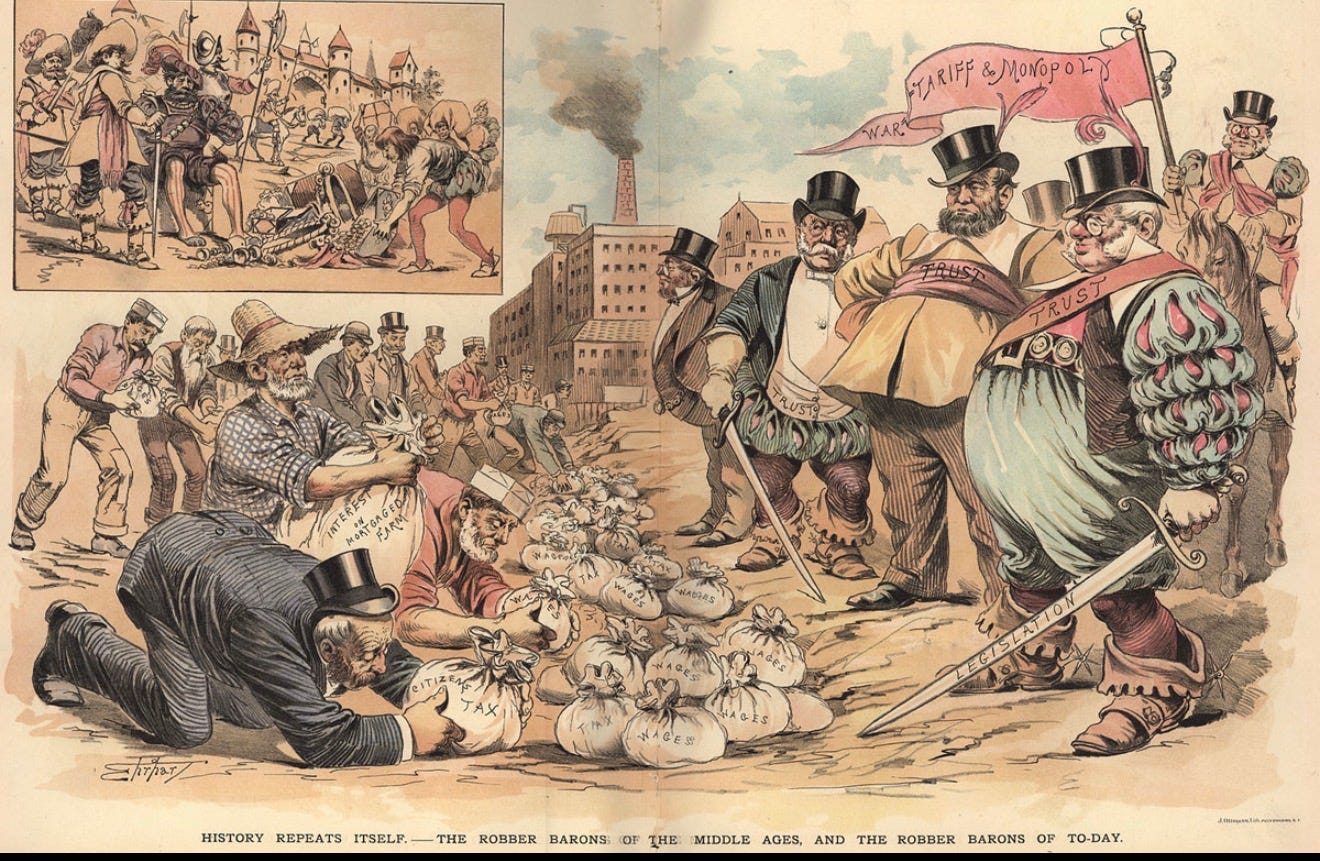
Most of the names etched into the Rust Belt’s physical landscape belong to Carnegie, Westinghouse, Frick, and the Mellons. They built the mills, the laboratories, the parks, the universities, the banks, and the civic infrastructure we still use.
But the age they operated in — the very environment that made their work possible — was shaped by two men whose influence was broader, quieter, and more structural:
John D. Rockefeller, who disciplined America’s energy
J.P. Morgan, who stabilized America’s capital
They do not appear in the Pittsburgh skyline.
They do not have parks or libraries bearing their names.
Yet their impact is woven through every industrial advance the Rust Belt produced.
They are the system builders — the men who created the national framework that allowed regional builders to rise. This article explains what they built, why it mattered, and how their influence still shapes the Rust Belt today.
I. Rockefeller: The Man Who Disciplined American Energy
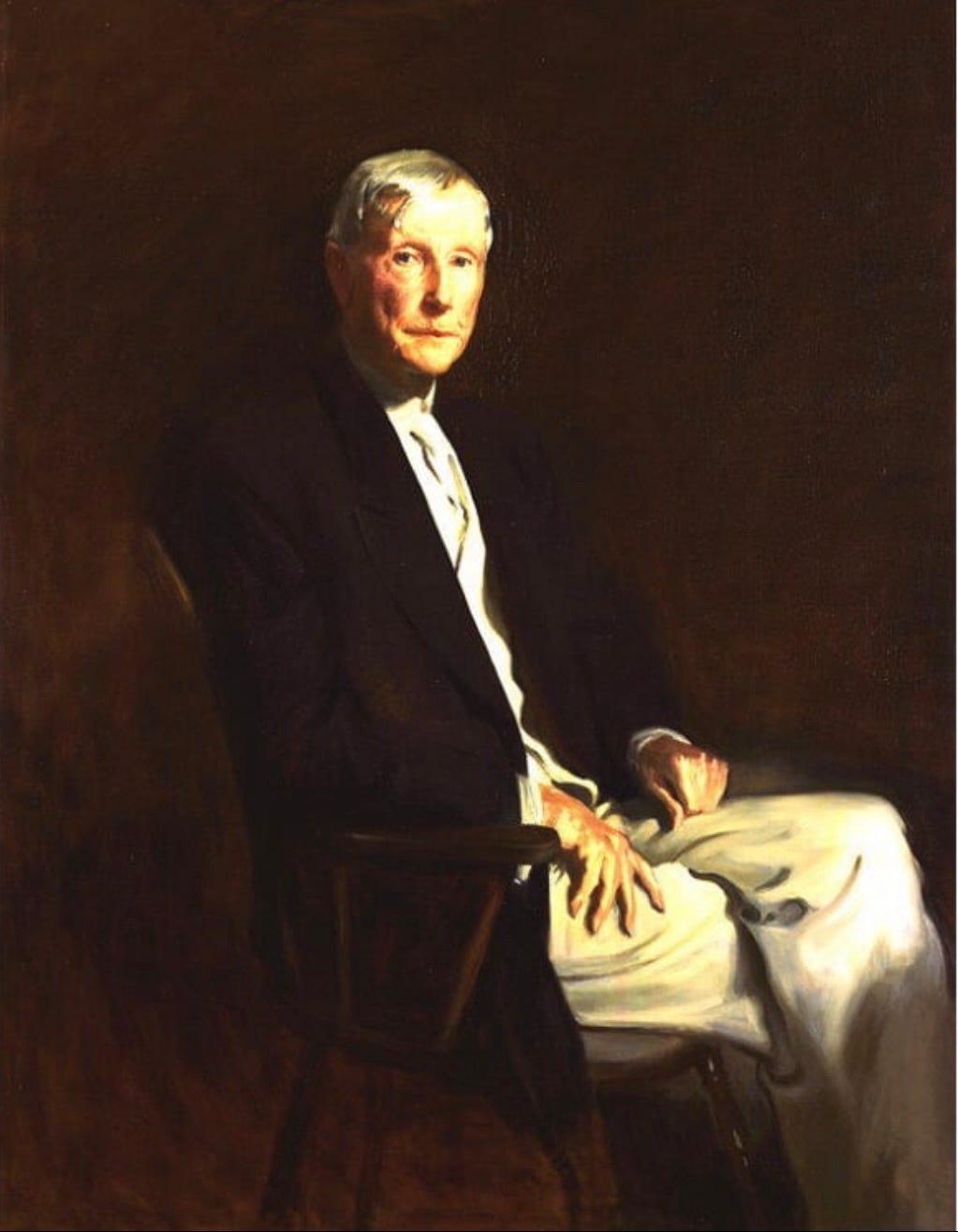
Before Rockefeller, American energy was a wild frontier:
boom-and-bust drilling, refineries that exploded, inconsistent kerosene that burned dangerously, and prices that could swing violently in a single month.
Rockefeller imposed order with almost military precision.
He standardized everything:
consistent product quality
predictable pricing
long-distance rail contracts
vertical integration from well to barrel
transportation efficiency
waste elimination at an unprecedented scale
He took an industry defined by volatility and made it stable.
Reliable. Predictable. Safe.
This mattered enormously for the Rust Belt.
Carnegie’s furnaces, Westinghouse’s factories, Frick’s coke operations—all of them needed cheap, reliable energy. Rockefeller didn’t build steel mills, but he built the stability those mills depended on.
He did not leave behind cultural institutions in Pittsburgh.
But he left behind the energy order that powered the era that built Pittsburgh.
II. J.P. Morgan: The Man Who Stabilized American Capital
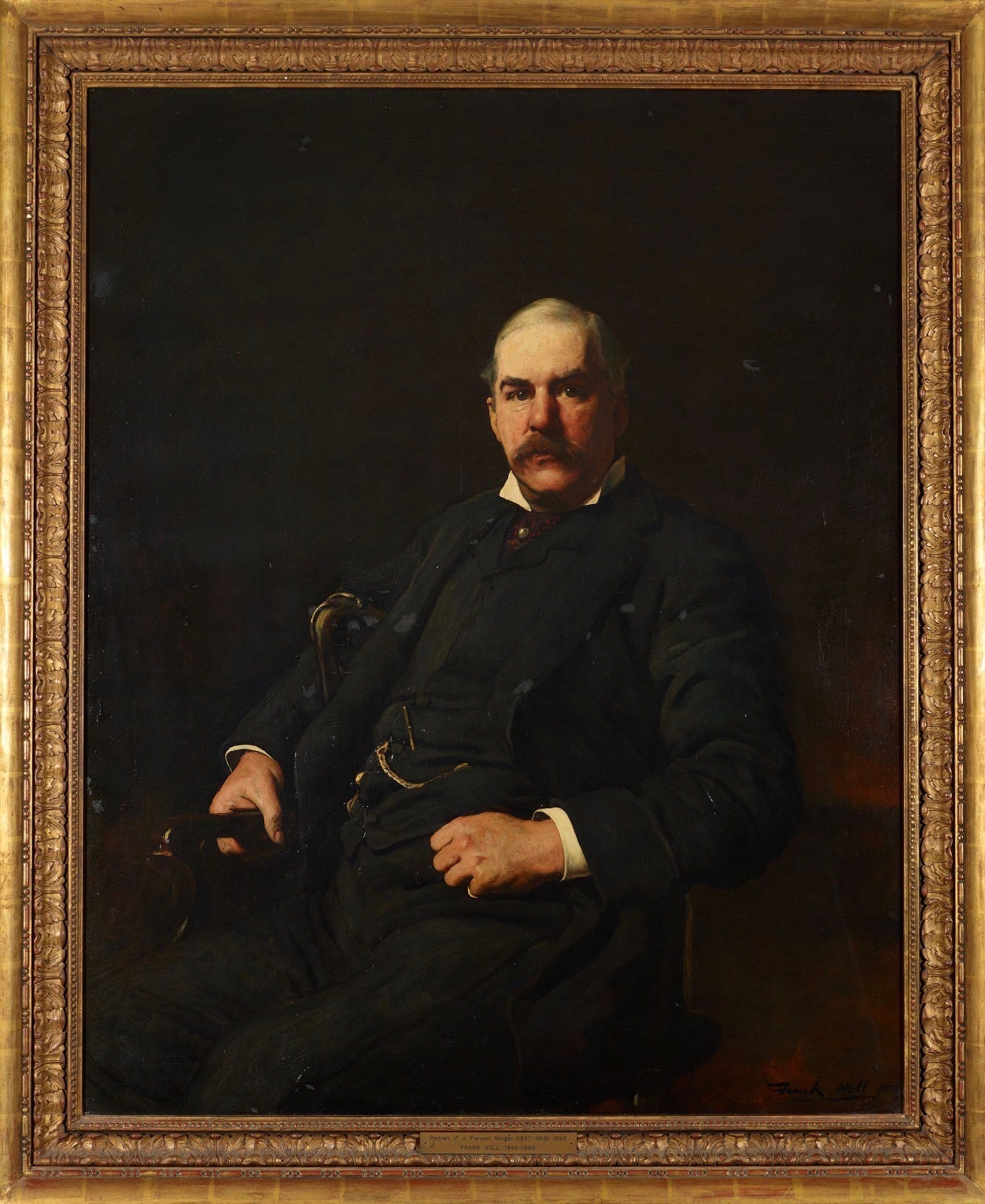
Where Rockefeller tamed energy, Morgan tamed finance.
He lived in a country defined by:
frequent bank failures
unstable currencies
overleveraged railroads
corporate mismanagement
speculative bubbles
absent federal regulation
Morgan found disorder intolerable.
He believed the nation could not grow without financial discipline and institutional reliability.
His major contributions were immense:
1. Reorganizing the railroads
Morgan salvaged railroad after railroad, forcing them into disciplined accounting, professional oversight, and predictable capital structures.
He turned an industry prone to collapse into the backbone of American commerce.
And those railroads carried:
Carnegie steel
Frick coke
Westinghouse turbines
Mellon-backed products
2. Creating modern corporate governance
Boards, audits, disclosures, management standards—Morgan imposed a template that large companies still follow.
3. Acting as the nation’s crisis stabilizer
The U.S. had no Federal Reserve.
During the panics of 1895 and 1907, Morgan personally saved the country from financial collapse by coordinating bankers and injecting liquidity.
He was, effectively, the nation’s central bank.
4. Consolidating American industry
Morgan merged Carnegie Steel and its rivals into U.S. Steel — the first billion-dollar corporation and a new model for industrial scale.
Morgan didn’t build factories, but he built the financial architecture that allowed factories to expand.
III. The Invisible Framework Beneath the Rust Belt
Rockefeller and Morgan did not leave their names on the Rust Belt’s physical map.
But their influence shaped the terrain the region’s builders had to work with.
Their contributions formed the infrastructure of order:
Rockefeller’s system
stable, predictable energy
nationwide pricing
industrial standardization
efficient supply chains
transportation integration
Morgan’s system
reliable railroads
crisis-resilient capital markets
corporate discipline
mergers and consolidations
access to vast investment capital
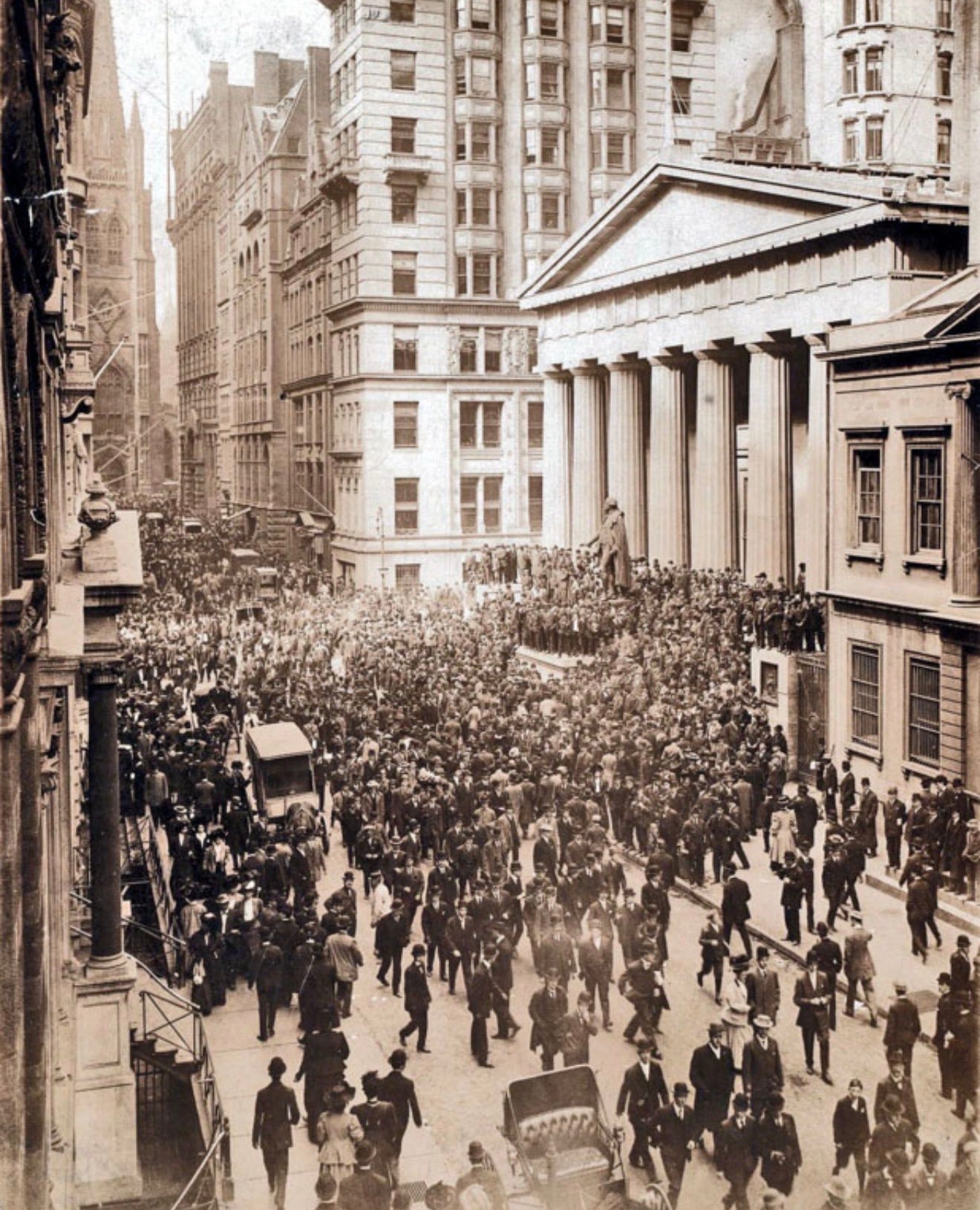
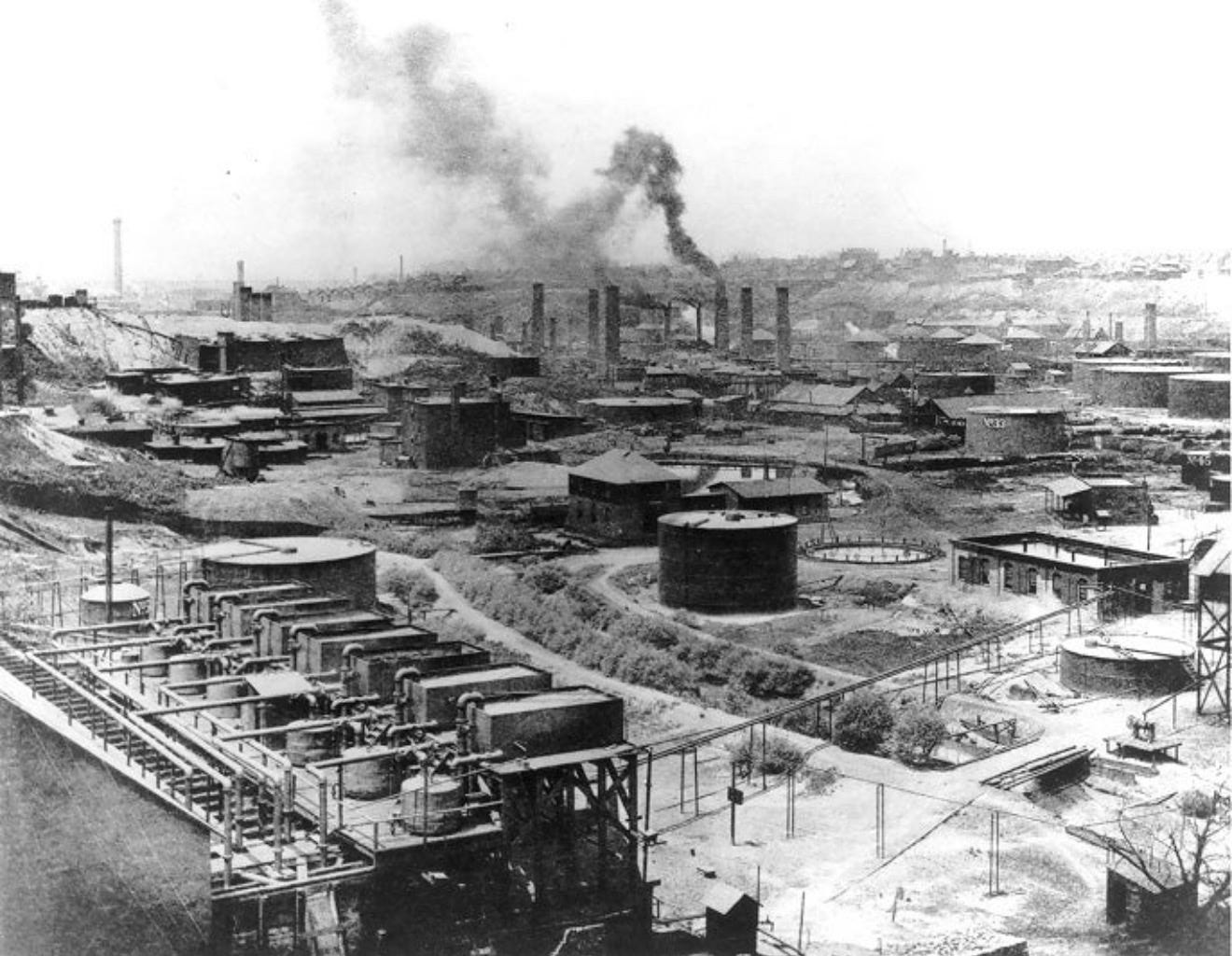
Every mill, factory, foundry, and refinery in the Rust Belt relied on the stability these men engineered.
Without Rockefeller, industries would have been energy-poor.
Without Morgan, industries would have been capital-starved.
They were not builders of place.
They were builders of conditions.
IV. What Rockefeller & Morgan Mean for the Rust Belt Today
The visible builders of the Rust Belt—Carnegie, Westinghouse, Frick, the Mellons—shaped the identity of the region.
Rockefeller and Morgan shaped the system that identity operated within.
Their relevance today is quiet but powerful.
1. They remind us that local success depends on national systems.
Cities cannot revive without:
reliable energy
stable financing
functional transportation networks
disciplined corporate structures
Rockefeller and Morgan’s era was national before it was local.
So is ours.
2. They show that order, discipline, and predictability are the real drivers of growth.
The Rust Belt did not rise on chaos.
It rose on:
standardized energy
standardized governance
reliable credit
dependable logistics
Those attributes matter just as much today, as new industries form around AI, defense manufacturing, nuclear, and robotics.
3. They demonstrate that builders leave more than physical monuments.
Some build:
markets
institutions
supply chains
financial norms
stabilized economies
Today’s builders will include both groups—
the ones pouring concrete and the ones designing systems.
4. They broaden the story of the Rust Belt.
The region was not simply the story of Pittsburgh’s titans.
It was part of a national industrial system engineered from New York, Cleveland, and the financial centers of the Gilded Age.
Understanding that system gives the Rust Belt a deeper sense of its place in American history.
Conclusion: The National System Builders Behind an Industrial Age
Carnegie, Westinghouse, Frick, and the Mellons built the Rust Belt’s bones.
Rockefeller and Morgan built the system those bones stood on.
They did not leave behind museums or parks in Pittsburgh, but they left behind something far more structural:
a stable energy economy
a disciplined financial system
standards for corporate organization
mechanisms that prevented national collapse
a national industrial scale
They were the national architects of the American century.
And no story of the Rust Belt’s builders is complete without acknowledging the two men who gave them the order, stability, and reliability needed to build anything at all.